So far in 2026, the UK hospitality sector has seen a steady stream of closures and restructures. Reports across The Caterer and wider industry press show a market that is still under pressure from high costs, tighter margins and customers being more careful with spending.
While some businesses are still opening and expanding, others are shrinking or shutting sites completely. What stands out is that even long established or well known names are not protected from these pressures.
For the wider industry, this has a very practical impact: when restaurants close or restructure, it doesn’t just affect the business itself, it directly affects chefs and kitchen teams across the market.
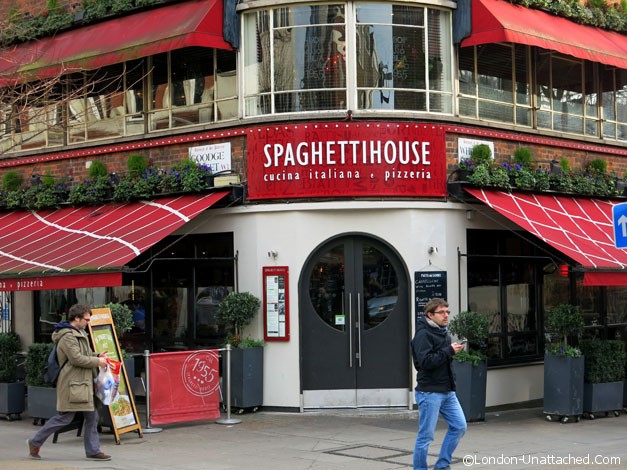
Spaghetti House
One of the more high profile closures this year was Spaghetti House, which went into administration and closed all of its London restaurants after around 70 years in business.
As reported by The Caterer, the business had been under pressure for some time due to rising costs, including food, labour and energy, along with customers eating out less often in some parts of the casual dining market.
The result was the full closure of the group and the loss of over 100 jobs.
From a staffing point of view, closures like this tend to release a lot of experienced chefs into the job market at once. That might sound like good news for availability, but in reality it often leads to more short-term movement as chefs quickly move between temporary or permanent roles trying to find stability.
Franco Manca
Another major 2026 story has been Franco Manca, which closed 16 restaurants as part of a company voluntary arrangement (CVA).
This was widely reported by The Caterer as part of a wider restructuring to deal with high UK operating costs and pressure in the casual dining sector.
Rather than a full collapse, this is more of a resizing of the business. But the effect on staff is still significant. When sites close, kitchen teams are either moved around, let go or have to find new roles quickly. That creates a lot of movement in the chef job market and puts extra pressure on remaining sites to stay fully staffed.
The Real Greek
The Real Greek also went through changes in 2026 as part of wider restructuring within its ownership group.
Some sites were closed as part of a consolidation process after acquisition activity, which is becoming more common in hospitality. When ownership changes, businesses often review which sites are profitable and which aren’t, and some locations don’t survive that review.
For kitchen teams, this usually means uncertainty, as roles can shift quickly or disappear entirely depending on how the business is reshaped.
Independent closures
It’s not just big chains. Independent restaurants have also continued to close in 2026. One example reported in The Caterer was Covino in Chester, which closed after nearly ten years.
The owner pointed to rising costs and difficult trading conditions as the main reasons.
This is a different side of the same problem. Smaller restaurants don’t always have the financial backing to absorb long periods of high costs or quieter trading. When they close, it often means highly skilled chefs re-entering the job market quite suddenly.
Why chef recruitment agencies are being used more
More operators are turning to chef recruitment agencies to help keep kitchens running smoothly.
It’s no longer just about last-minute cover. It’s become part of how many businesses operate day to day. Agencies are being used to:
- cover sickness or last-minute gaps
- support busy trading periods
- help with openings or new sites
- bridge staffing gaps during restructuring
In a market where staffing is constantly shifting, having access to experienced chefs quickly has become more important than ever.
Looking ahead
As we move further into 2026, more of the same is likely. Some businesses will continue to close or restructure, while others expand carefully.
But across the board, one thing is becoming clearer. Kitchens that can stay flexible with staffing are in a much stronger position to deal with whatever comes next.
For many operators, that flexibility now comes down to one thing: having the right chefs available when they’re needed.