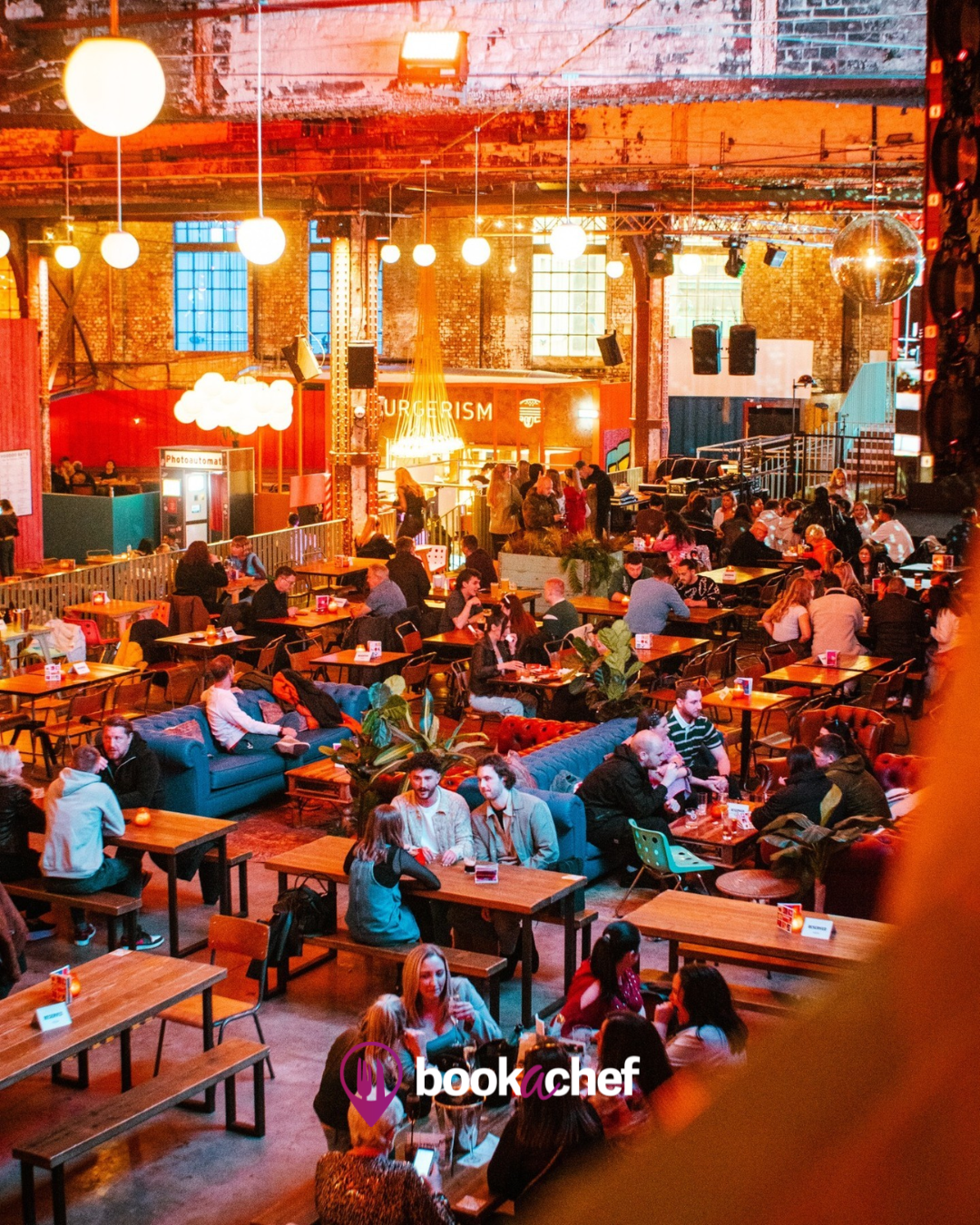
In the past year, food halls have gone from being a small part of hospitality to one of the fastest-growing places to eat out in the UK. While regular restaurants are still struggling with high costs and changing customer habits, food halls stand out because they’re flexible, offer lots of choice, and match how people like to eat today.
Industry reports say food halls are growing fast. The UK went from 114 food halls to 149 between 2025 and 2026, and another 65 are being built. This is one of the biggest growth stories in the industry right now.
This isn’t just about more places to eat. It shows that people and businesses are changing how they use spaces, spend money, and take risks.
Why food halls are gaining momentum
Food halls are popular because they give people lots of food choices without losing the fun atmosphere. You can try different things, stay as long or as short as you want, and it’s a great place for groups who all like different foods.
For business owners, food halls take away some of the stress of running a single restaurant. By sharing space and having lots of different food stands, it’s easier for new food brands to start up, and there’s less risk if one idea doesn’t work out.
Finding the right chefs and teams is important too. Recruitment services like Bookachef can help food hall operators and vendors quickly hire skilled chefs and support staff as they grow or launch new concepts.
What traditional operators can learn from the format
Food halls aren’t just important for people who run them. Other businesses can learn from them too.
Some pubs are already looking at food halls to get ideas about how to make their own places more fun and flexible. The key lesson is to give customers variety, energy, and reasons to stay longer.
This way of thinking can help all kinds of hospitality businesses. Restaurants can try pop-up events and special menus. Pubs can create spaces for different occasions. Caterers and event venues can make their food offers more flexible to attract more people. Even if businesses don’t become food halls, they can still learn from the idea.
Why the model feels right for 2026
In 2026, people are being careful with their money and want good reasons to go out. Food halls fit well because they’re relaxed but still feel special, offer lots of choice, and are social without needing a big, formal booking. That’s why they work for today’s customers.
But growing fast also has risks. If too many food halls open, it could get crowded, and not all will be able to stand out. Business owners need to think carefully about where they open, what food they offer, and how to make the experience special.
Final thoughts
The main thing isn’t just the number of food halls opening, but what they mean. Food halls show that people want flexible, shared experiences and that the industry is changing to keep up.
For the whole industry, it’s clear that food halls aren’t just a small trend anymore. They’re becoming a big part of hospitality, and their influence is spreading to other businesses too.