The UK hospitality industry is already operating under significant pressure.
From rising ingredient costs and increasing wage bills to recruitment challenges and changing customer habits, restaurant operators have had to adapt constantly to protect margins and maintain standards.
From April 2026, employees became eligible for Statutory Sick Pay from their first day of sickness absence, rather than waiting until the fourth day. The earnings threshold was also removed, meaning more workers, including many part time and lower paid employees, became eligible.
UK Hospitality has said approx. 1.3 million low paid workers will benefit from these changes to SSP, with each employee costing businesses an extra £15 per year. However, industries with lower paid or part-time workers, such as leisure and hospitality, will be most impacted. Many are also concerned that there will be an increase in employees taking time off for minor ailments.
While the changes are designed to provide greater support for employees, many hospitality operators have raised concerns about the additional financial and operational pressure they create.
For more guidance on what this means for you, please visit: www.gov.uk/employers-sick-pay
Why does sick pay have such a big impact on restaurants?
In many industries, one employee being absent can be managed with adjustments. In hospitality, especially in professional kitchens, the impact can be immediate.
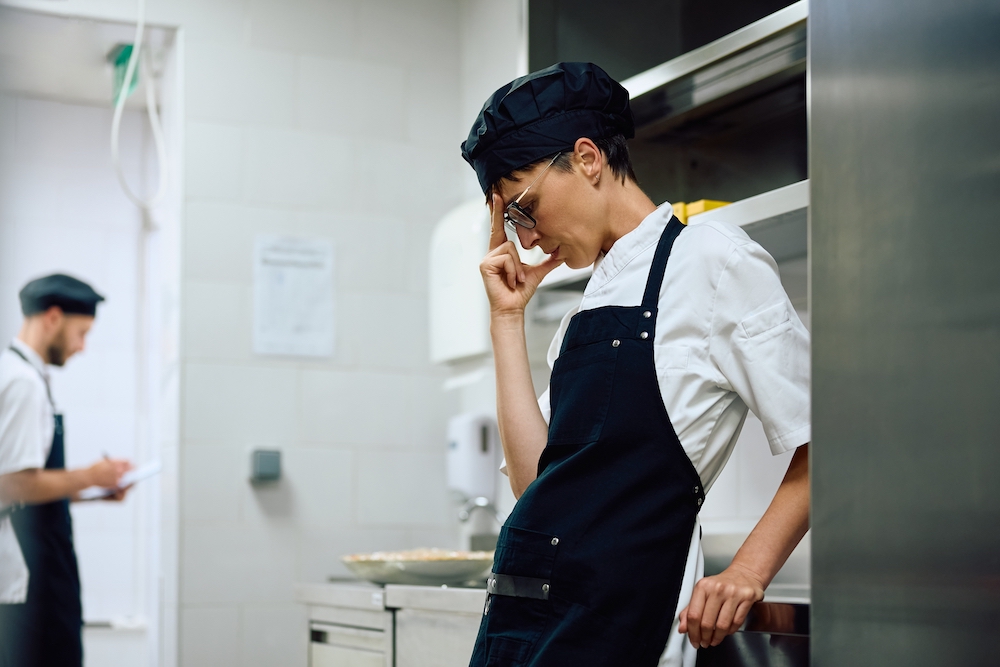
A missing chef doesn’t just mean one less person on the rota. It can affect preparation, service speed, the workload of the rest of the team and ultimately the guest experience. A busy Saturday night service doesn’t slow down because a member of the kitchen team is unavailable.
The food still needs preparing, orders still need to leave the pass and customers still expect the same quality.
The hidden cost of staff absence
For restaurant operators, the challenge is often not just paying sick pay, it’s finding a way to keep the business running at the same time.
If a chef is unable to work, businesses may need to bring in additional support while also managing the cost of absence.
Hospitality groups have already highlighted the financial impact of the reforms, with operators including Hawksmoor, Dishoom and Caravan reporting increased costs linked to sickness absence. (thecaterer.com)
For smaller independent restaurants, where teams are often lean and margins are tight, even one unexpected absence can create significant pressure.
How can restaurants manage unexpected absences?
The reality is that staff sickness will always be part of running a hospitality business. The difference now is how prepared operators are when it happens.
Having access to experienced chefs who can step into a kitchen at short notice gives restaurants another option when unexpected gaps appear.
Flexible chef cover can help businesses maintain service, protect existing teams from burnout and avoid putting additional pressure on chefs already working long hours.
The future of hospitality staffing is changing
The traditional approach of relying only on permanent kitchen teams is evolving.
More restaurants are recognising the value of flexibility, not as a replacement for permanent staff, but to support them when demand changes or unexpected challenges arise.
For chefs, freelance work is also creating new opportunities, offering more control over schedules while allowing them to experience different kitchens and venues.
The hospitality industry will always depend on great people. But in an unpredictable environment, having the flexibility to adapt has become just as important.
At Bookachef, we connect restaurants, gastro pubs and hospitality businesses with experienced chefs ready to support kitchens when they need extra cover.