The 90s. Big hair, neon lights, boy bands, and the comforting sense of “simpler times”. It’s no wonder people are loving the nostalgia right now. But even though the style is returning, hospitality works very differently than it did back then.
If you wanted to eat out in the 90s, it was simple. You picked up the phone, booked a table, and turned up at your favourite spot, the same one you’d been going to for years, and made sure you had cash in your wallet to pay. Delivery was a rare treat, maybe a pizza or Chinese takeaway, ordered from a leaflet from your landline phone.
Today, everything is digital. You can browse menus, book a table, and even pay from your phone before leaving the house. There’s more variety than ever, and people expect speed, convenience, and options that match their mood or their Instagram feed. The old ways of dining out just wouldn’t cut it anymore
It’s all about the experience now
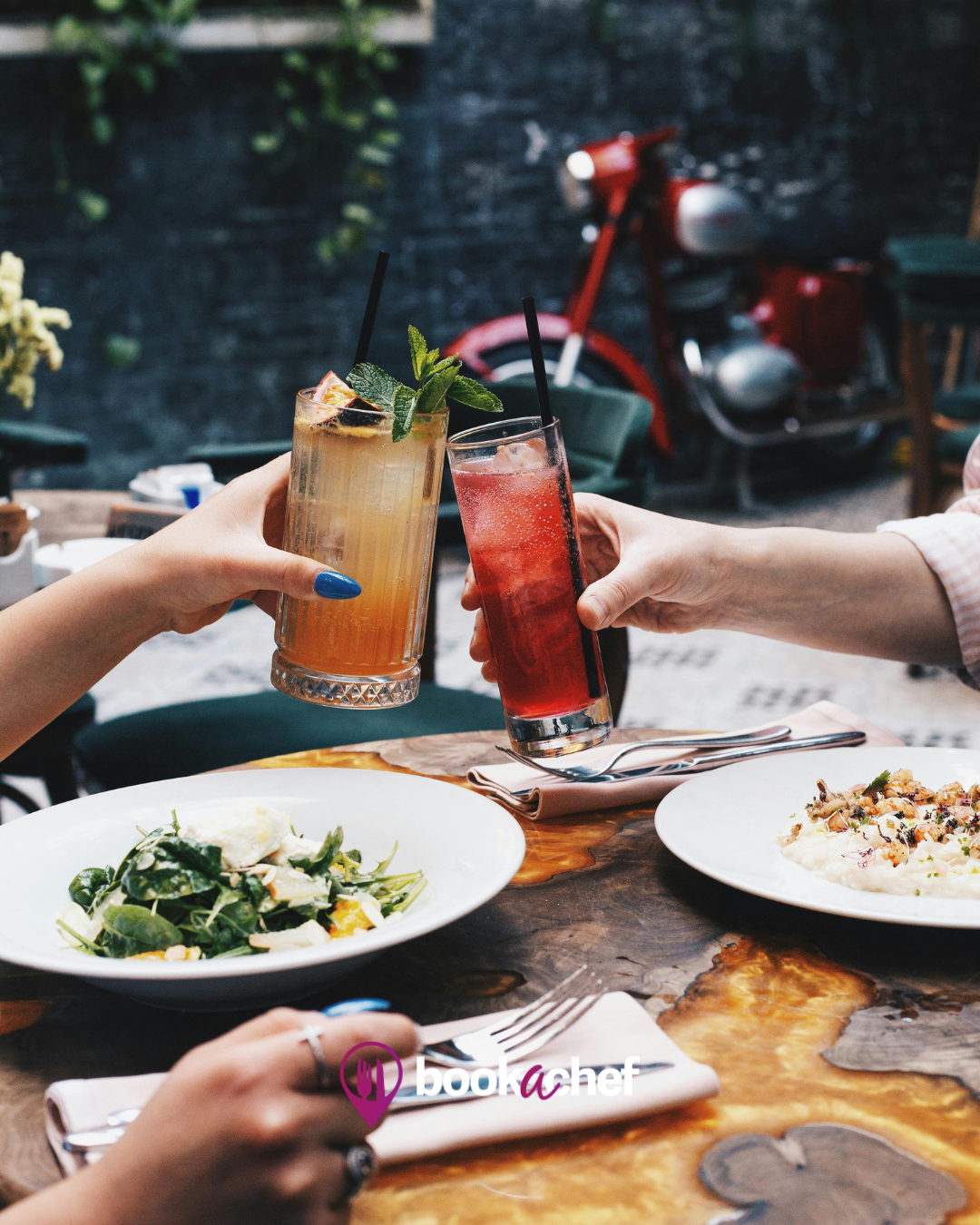
Back then, eating out was just about food. Now it’s about the whole experience. People want more than a meal, they want memories, a vibe and a story they can share. That’s why restaurants spend so much time crafting their brand, style, and atmosphere. It’s no longer enough to hope customers will show up out of habit; they need a reason to visit, and it has to feel special.
Technology is now at the heart of eating out
Technology has changed everything. In the 90s, restaurants used paper diaries for bookings, printed menus, and relied on flyers or word of mouth to get noticed. Today, your first impression often happens online: people discover you on social media, check your menu, book a table in seconds, and even pay via app.
Restaurants now have to work harder than ever to stand out digitally and make life easy for guests, even before they step through the door.
Restaurants aren’t just in one place anymore
In the 90s, delivery meant pizza or the odd Chinese meal ordered from a leaflet pushed through your front door. Now, almost any food can be sent to your door, thanks to delivery apps. Some restaurants don’t even have tables, they exist purely to cook for delivery.
A restaurant isn’t just a building anymore, it could be an app, a brand you never visit, or both. That’s a huge change from the 90s.
Going green is now expected
People care about the environment now. Back in the 90s, most restaurants didn’t think twice about recycling or where their ingredients came from. Today, customers expect eco-friendly packaging, minimal waste, and responsibly sourced food. Restaurants are judged not just on taste, but on how much they care about the planet.
Staff now need new skills
Hospitality roles aren’t what they used to be. Many 90s jobs were simple and part-time. Today, staff need to juggle technology, multitask, and thrive in fast-paced environments.
Finding skilled, reliable staff can be a challenge but platforms like Bookachef make it easier for restaurants to find chefs and teams, whether for a few shifts or long-term.
Final thoughts
It’s easy to see why the 90s feel so comforting, they remind us of fun, familiarity, and simpler times. But behind the scenes, hospitality today is faster, smarter, and more demanding. The style might be back, but running a restaurant or pub now is all about keeping up with modern expectations while still giving guests something unforgettable.