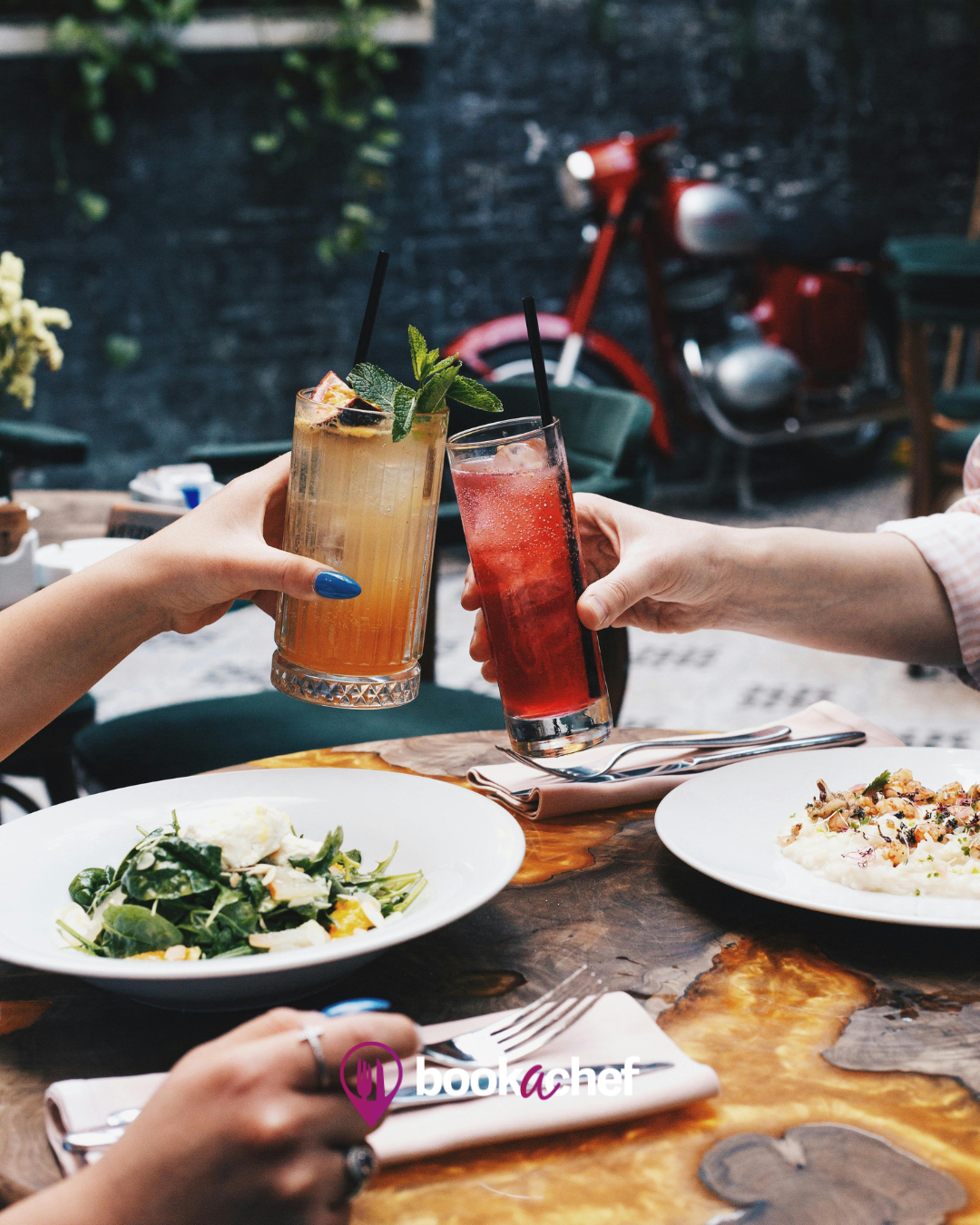
For years, bars, gastro pubs and restaurants relied on alcohol sales as a significant revenue driver, often accounting for 25–35 % of total spend on a night out. But a noticeable shift is happening among the youngest adult consumers, Gen Z.
According to Time Magazine, alcohol consumption among younger adults has been declining for over two decades, meaning Gen Z (born roughly 1997–2012) drinks less than previous generations did at the same age.
This isn’t just a fad. It reflects deeper changes in attitudes toward health, socialising and lifestyle, and it has clear implications for operators in the hospitality sector.
Gen Z drinking trends
While understanding varies by region and data source, several patterns emerge from industry research:
- Lower overall participation: In the U.S., the share of adults under 35 who drink has dropped by about 10 percentage points over the past two decades.
- Health and wellness priorities: Younger consumers increasingly link alcohol with health outcomes and are more comfortable choosing non‑drinking occasions.
- Moderation over excess: Surveys show that a significant portion of Gen Z prefer to drink less often or on special occasions rather than as their default social activity.
- Non‑alcoholic and alternative options matter: Gen Z consumes a wider variety of beverage options, including low‑alcohol or no‑alcohol drinks and creative mixed formats.
All studies suggest that drinking isn’t disappearing but evolving.
Why this shift is happening
Several factors help explain the change in Gen Z drinking behaviour:
1. Health and wellness awareness
Many younger adults prioritise wellness and mental well being over habits associated with hangovers or heavy drinking.
2. Cost and value considerations
With living costs, student debt and tighter budgets, expensive nights out centred on alcohol are less appealing.
3. Socialising has changed
Younger consumers often socialise differently, prioritising experiences, activities and events, with “sober” gatherings becoming more important as traditional nights out.
4. Broader beverage choices
RTDs, mocktails, no‑alcohol spirits and flavoured alternatives are now widely available and part of the broader trend toward choice over tolerance.
What this means for restaurants and gastro pubs
A decline in alcohol led occasions affects hospitality economics, but it also creates opportunity if operators adapt strategically.
1. Rethink drink menus
The old beer and wine standard isn’t enough anymore. Operators can grow revenue by expanding no- and low-alcohol options and curating signature mocktails that feel premium.
By offering both alcoholic and non-alcoholic choices, restaurants and gastro pubs cater to all customers without assuming alcohol is the default spend.
2. Focus on food‑led revenue
When beverage spend decreases, food becomes the anchor of profitability. Elevated small plates, sharers, tasting menus paired with drinks alternatives and seasonal gastro pub staples can drive value while keeping customers engaged.
At Bookachef, we’re seeing increased demand for kitchens focused on menu creativity and margin control. Operators who lean into food hospitality trends stay resilient even when drinks revenue dips.
3. Build experiences
Gen Z value experiences, social connection, atmosphere, and novelty matter more than how many drinks are consumed. Successful venues deliver shareable experiences such as chef’s table nights, themed dinners, or events where socialising isn’t tied strictly to bar tabs. These experience-led approaches not only engage younger customers but also create opportunities to increase revenue across food and beverage in ways that reflect modern consumer preferences.
4. Use flexible workforce solutions
Tracking shifts in customer behaviour means staffing needs to be adaptable. Bookachef is increasingly supporting restaurants with:
- Flexible chef staffing for experience‑led nights
- Event catering support for themed and tasting occasions
- Temporary kitchen teams to trial new menu concepts
This helps operators scale without fixed costs.
Bottom line for restaurants and gastro pubs
Gen Z drinking trends are reshaping the on‑trade but they’re not eliminating demand. For operators in 2026:
- Adaptation is the opportunity
- Revamp beverage menus with high quality alternatives
- Make food the hero of the plate and multiply revenue streams
- Design experiences that go beyond bar tabs
- Use flexible staffing models to support evolving trade patterns
At Bookachef, we’re already seeing venues thrive by embracing this shift and building hospitality experiences that resonate with younger drinkers without compromising profitability.